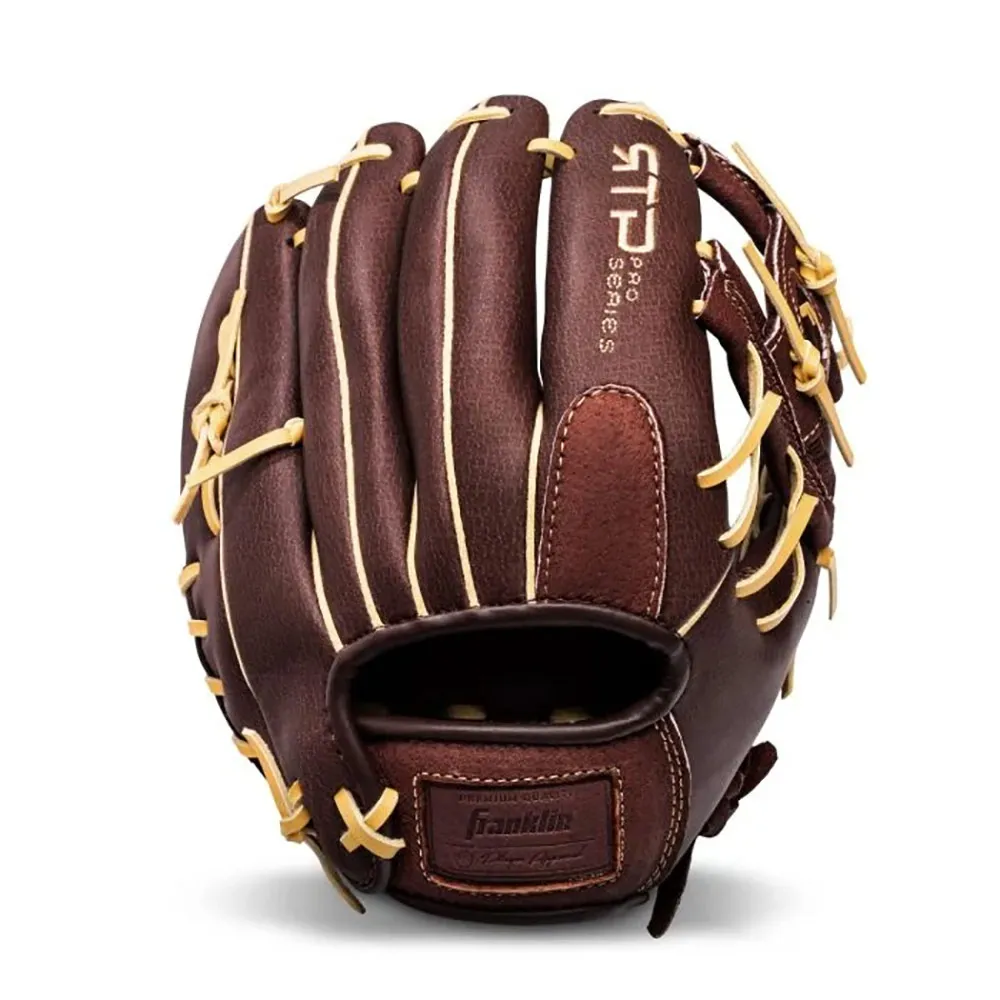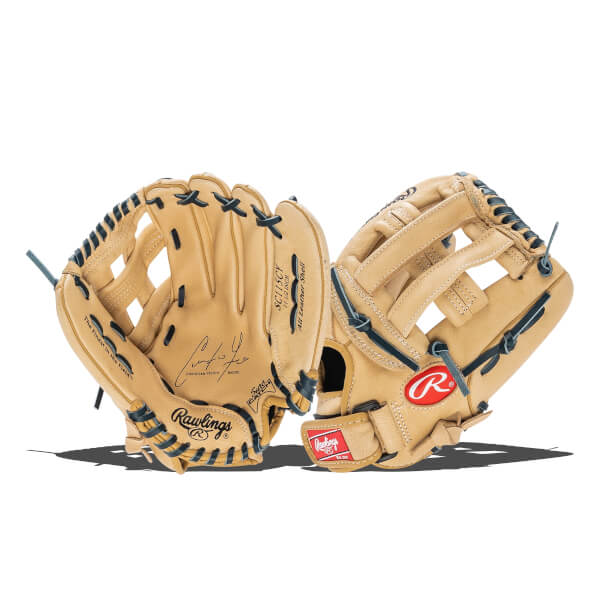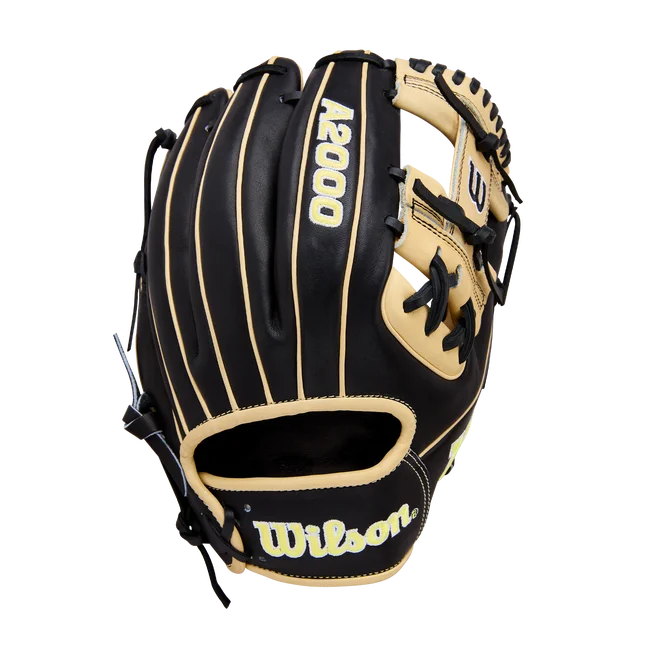
Gloves by Position
The glove is the most personal piece of gear in baseball. A well-broken-in glove becomes an extension of the hand.
Size by position
| Position | Youth (8–12) | Teen/Adult (13+) |
|---|---|---|
| Infield | 10.5″–11.5″ | 11″–11.75″ |
| Outfield | 11.5″–12.5″ | 12″–13″ |
| First base | 11.5″–12″ | 12″–13″ (mitt) |
| Catcher | 30″–32″ circ. | 32″–34″ (mitt) |
| Pitcher | 11.5″–12″ | 11.5″–12″ (closed web required) |
Web patterns
| Web Type | Best For | Why |
|---|---|---|
| I-Web | Infield, shortstop | Shallow pocket, quick transfers |
| H-Web | Infield, third base | Flexible, good visibility |
| Trapeze | Outfield | Deep pocket, secure catches |
| Closed / Basket | Pitcher | Hides the grip on the ball |
| Modified Trap | Utility / all-purpose | Works everywhere — good first glove |
What to spend
| Tier | Price | What You Get |
|---|---|---|
| Budget | $25–60 | Synthetic leather. Fine for tee ball and beginners. Breaks in fast, wears out faster. |
| Mid-range | $60–150 | Genuine leather. Better feel, lasts longer. Good for rec and travel. |
| Premium | $150–350+ | Full-grain leather. Game-quality. Will last years with care. |
Breaking in a new glove
Play catch with it — that’s the best way. Apply a small amount of glove oil, put a ball in the pocket, wrap with a rubber band overnight. Never microwave or bake a glove — this dries out the leather.
Buy the right size, not the cool-looking one. A glove that's too big won't close properly. Your kid should be able to squeeze it shut easily with one hand.
Dad’s Top Picks — Youth Gloves