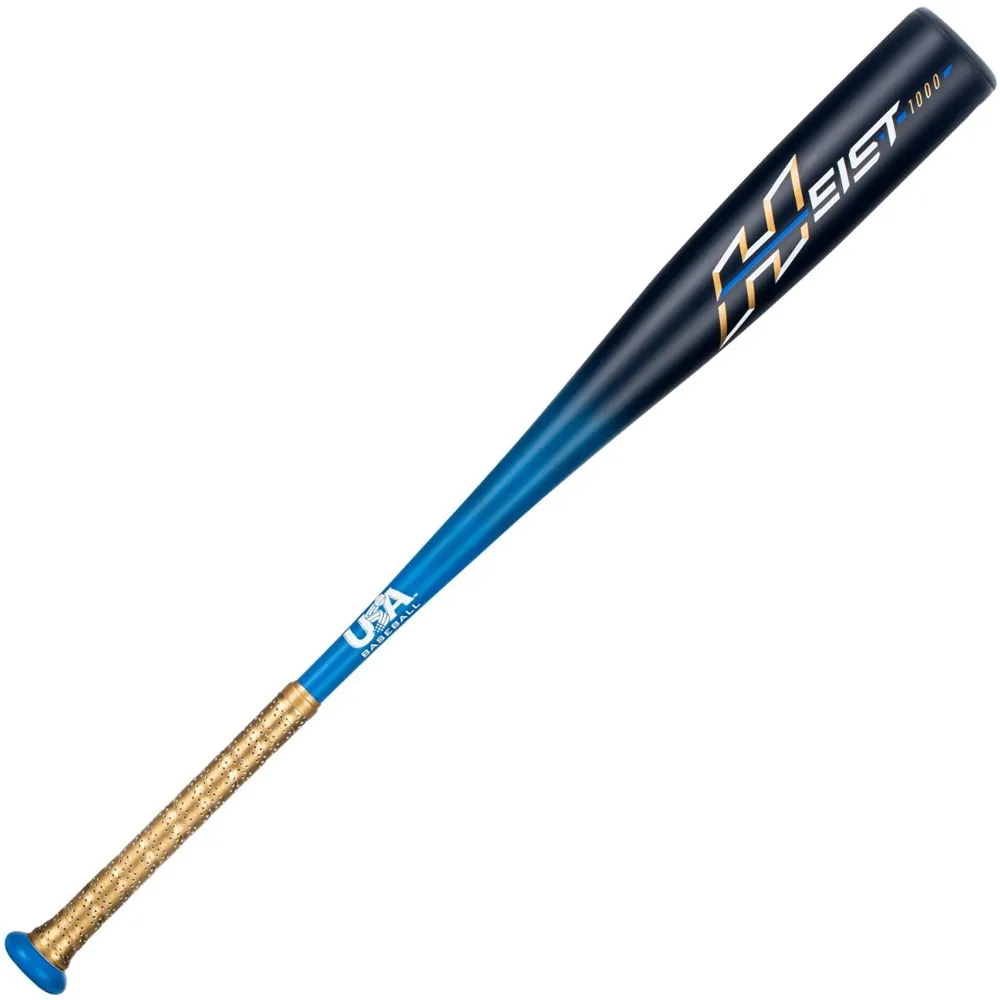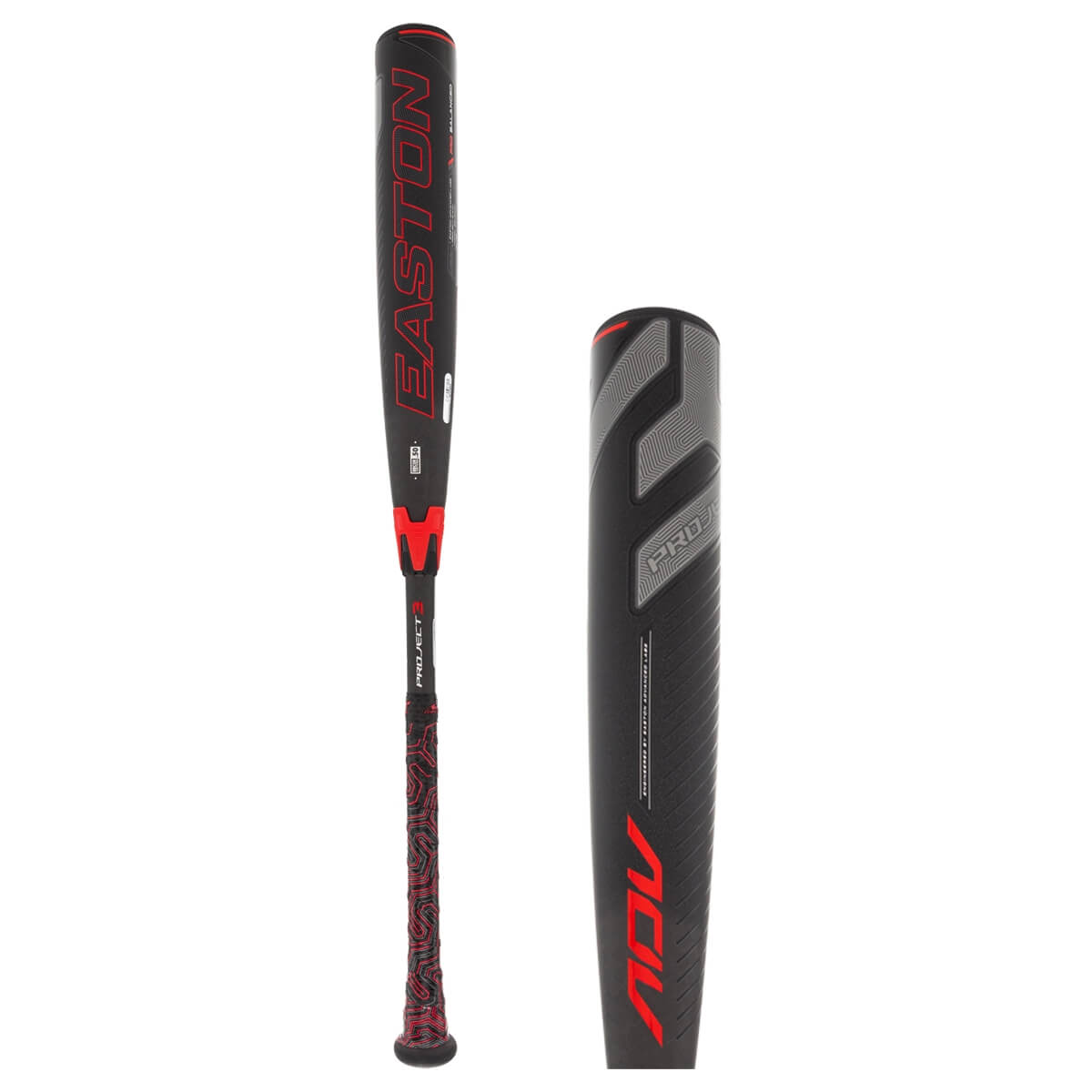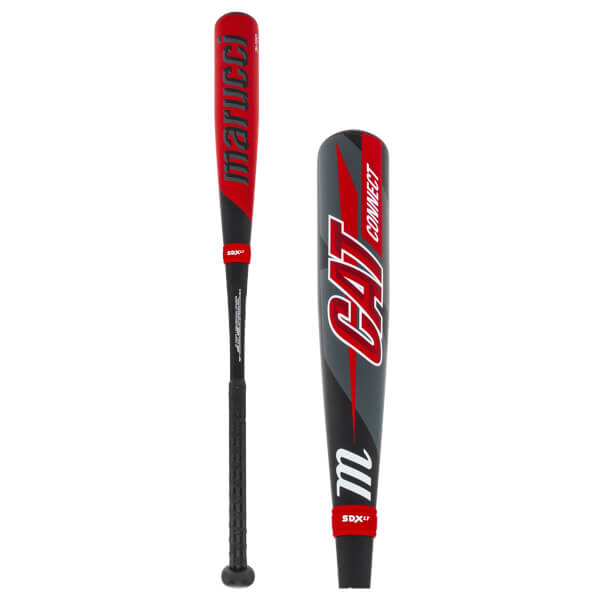
Bats by Age & League
The bat is the most confusing piece of gear. Drop weight, barrel diameter, certifications — here’s what actually matters.
Size chart
| Age | Length | Drop Weight | Barrel | Certification |
|---|---|---|---|---|
| 4–6 (tee ball) | 24″–26″ | -10 to -13 | 2¼″ | USA Baseball or Tee Ball |
| 7–8 | 26″–28″ | -10 to -12 | 2¼″ or 2⅝″ | USA Baseball |
| 9–10 | 28″–30″ | -10 to -11 | 2⅝″ | USA Baseball |
| 11–12 | 30″–32″ | -8 to -10 | 2⅝″ | USA Baseball or USSSA |
| 13–14 | 31″–33″ | -5 to -10 | 2⅝″ | USSSA (travel) or BBCOR (school) |
| 15–18 (HS) | 31″–34″ | -3 (BBCOR) | 2⅝″ | BBCOR only |
Drop weight = length minus weight. A 30″ bat weighing 20 oz is “drop 10” (-10). Lower drop = heavier.
What to spend
| Tier | Price | What You Get |
|---|---|---|
| Budget | $25–60 | Aluminum alloy. Perfectly functional for rec league and tee ball. |
| Mid-range | $60–150 | Better alloy or composite barrel. More pop, better feel. Sweet spot for most families. |
| Premium | $150–400+ | Full composite or hybrid. Maximum performance. Only justified for serious travel ball or HS. |
The most important thing: The bat must be the right length and weight. A $300 bat that's too heavy is worse than a $40 bat that fits. If your kid can't hold the bat straight out with one hand for 30 seconds, it's too heavy.
USA vs USSSA vs BBCOR
| Standard | Used In | Notes |
|---|---|---|
| USA Baseball | Little League, most rec leagues | Performance cap — balls don’t jump off the bat as much |
| USSSA | Travel ball, select leagues | Higher performance — more pop |
| BBCOR | High school and college | Mandatory -3 drop weight |
Check your league’s rules before buying. Wrong certification = ejection.
Dad’s Top Picks — Youth Bats